Blog

Listening Walking Sessions #6

I have been walking since my heart attack in 2018. I average around 2 1/2 – 3 hrs of walking a week. During the walk I would listen to a variety of genres of music (mostly soundtracks) and find myself learning by analyzing the orchestration, arrangement and emotion of the music while I’m walking.

Today’s listening session is Sean Callery’s score “The Marksman”

Synopsis

A rancher on the Arizona border becomes the unlikely defender of a Mexican boy who is desperately fleeing from the cartel assassins who’ve pursued him into the U.S.

The Score

Sean Callery is a TV composer known for the 24 series; his hybrid action-drama scores to me have a unique voice to them; his ability to create cliff hanging on the edge tension music is unequivocal. Sean’s emotional sense in the music really connects to what you are watching on the screen. Throughout this movie, I am reminded listening to this score, flashback to the 24 series on how his music interweaves so effortlessly in the scenes. This movie has a emotional rollercoaster musically and it seems to have three variant musical temperaments; first, there is various degrees of dramatic and pursuance in the music that keeps you on the edge; second, breathers where the music gives a sense of relief for a brief moment. Third, setting the scene, where the music establishes the tone. There is also a piano theme that identifies the main character (Jim) in the beginning as having a sense of tranquilness and towards the ending it becomes more of a release emotionally from the turmoil he’s gone through.

Listen to Sean Callery’s score “The Marksman”

Listening Walking Sessions #5

I have been walking since my heart attack in 2018. I average around 2 1/2 – 3 hrs of walking a week. During the walk I would listen to a variety of genres of music (mostly soundtracks) and find myself learning by analyzing the orchestration, arrangement and emotion of the music while I’m walking.

Today’s listening session is John Williams score “Schindler’s List”

Synopsis

During World War II, Germany occupied Poland, and industrious Oskar Schindler became concerned for his Jewish workforce after witnessing their persecution by the Nazis. Schindler used his influence and meticulously struggled to keep his workforce safe from the horrors of the Nazis party. During the holocaust, Schindler saved the lives of more than 1,100 Jews.

The Score

John Williams score is beautifully crafted and emotionally boundless. The score shows empathy and captures the humanity of the Jewish people during the holocaust. This score seems intended only to be to use during revelatory parts throughout the film. Most of the film having no music seems to have more of an impact due to some of the scenes disturbing and horrifying visual content; and when the music comes in, it acts as a breather and soothes our emotional sentiments for a brief moment; and then in a blink of an eye, the music can be subtle and deceiving. The main theme seems to be portrayed in different orchestral incarnations; the solo violin performed by Itzhak Perman, plays Williams’s evocative melodramatic line, that captures the significance of the Jewish people during its moments. One of my favorite scores by John Williams.

Listen to John Williams score “Schindler’s List”

Listening Walking Sessions #4

I have been walking since my heart attack in 2018. I average around 2 1/2 – 3 hrs of walking a week. During the walk I would listen to a variety of genres of music (mostly soundtracks) and find myself learning by analyzing the orchestration, arrangement and emotion of the music while I’m walking.

Today’s listening session is Danny Elfman’s score “Pee-Wee’s Big Adventure”

Synopsis

Man-child Pee-wee Herman has his beloved bike stolen in broad daylight and goes on a slapstick adventurous journey across the U.S. searching for it; he encounters an escape convict, a mysterious female truck driver, a wanderlust waitress dreaming of going to Paris and a jealous boyfriend, a train-hopping hobo, biker gang and even goes to the Alamo looking for a basement that does not exist. The turning point for Pee-wee is when he learns that a movie studio has his bike and must travel to Hollywood land to get it and gets chase by the movie studio’s security; his almost successful escape from them comes to a halt to save the animals in a pet shop fire. In a storybook Hollywood fashion ending, the movie studio ends up making a movie based on Pee-wee’s zany adventures.

The Score

Danny Elfman’s cartoonish and dramedy modern approach to this score keeps the audiences entertained. His eclectic orchestrations gives the music a frolicsome sound that blends harmonious to the film. The music can be over the top at times and it can also be whimsical and nostalgic. I hear influences in the music that in some of the chase scenes, it has that same sort of vibe as the old silent film shorts of Charlie Chaplin’s chase scenes; other influences I can hear are old classic sci-fi episodes, crime dramas, and cartoons like Tom & Jerry, An audience participation song “Tequila” in the movie is a great musical representation on how Elfman’s score keeps the audience engaged and entertained.

Listen to Danny Elfman’s score “Pee-Wee’s Big Adventure”

Listening Walking Sessions #3

I have been walking since my heart attack in 2018. I average around 2 1/2 – 3 hrs of walking a week. During the walk I would listen to a variety of genres of music (mostly soundtracks) and find myself learning by analyzing the orchestration, arrangement and emotion of the music while I’m walking.

Today’s listening session is Volker Bertelmann’s (known as Hauschka) & Dustin O’Halloran; they collaborated together on this score “Lion”

Synopsis

Based on a true story, Saroo a five year old child living in India of a poor but happy rural family, follows his older brother on the train to the city. His older brother leaves him by the train on a bench while he goes to earn some money for the family. Saroo falls asleep then wakes up to look for his brother and boards a train but gets trapped and takes him on a journey 1000 miles away. Now alone in this alien urban environment, too young to identify himself or his home to the authorities, Saroo struggles as a street child until he is sent to the orphanage. Saroo is soon adopted by the Brierley family in Tasmania and grows up in a loving prosperous home. Now in his adulthood, Saroo is plagued with memories of his lost family and starts to search for them and his guilt hides his quest from his adoptive parents and girlfriend. Only when he has an epiphany does he realizes not only the answer he needs, but also the steadfast unconditional love he always had from his love ones in both worlds.

The score

The first time I saw the film, I kept hearing this recurring theme throughout the movie. This theme seems to bring up the lead character’s state of mind struggles of his past and present. It seems to makes sense to me that the score is centered around him, meaning the score is augmenting his emotional state of mind in the film; whether he is just reflecting, or on a journey, lost in the moment, the struggle of surviving, and feeling alone. The score transitions in his young adulthood with a sense of hopefulness and optimism but there’s a hint of dissonance and heartache reflecting his struggle mentally on his past. The recurring theme is introduced again as a sense of hope and perseverance as he begins to find his lost family and then reuniting with them. The movie ends with a celebratory song called “Never Give Up” by artist Sia while showing a pictorial bio of Saroo’s journey of being adopted by his new family and then a reuniting of the two mothers meeting for the first time.

Listen to Hauschka & Dustin O’Halloran’s score

Listening Walking Sessions #2

I have been walking since my heart attack in 2018. I average around 2 1/2 – 3 hrs of walking a week. During the walk I would listen to a variety of genres of music (mostly soundtracks) and find myself learning by analyzing the orchestration, arrangement and emotion of the music while I’m walking.

Today’s listening session is Thomas Newman’s score “Erin Brockovich”

Synopsis

This storyline portrays an unemployment mother, Erin Brockovich who’s desperately searching for a job; during her search she gets involved in a car accident with a doctor and files a lawsuit against him but ends up losing in court. The lawyer that represented Erin in court tries to appease with her on losing her case. She eventually ends up showing up at the law firm and successfully browbeats him in giving her a job at the firm for her loss compensation. While no one at the law firm takes her seriously, it changes when she gets involved with a suspicious real estate case involving the Pacific Gas & Electric Company, and she discovers that they are quietly purchasing the land that was contaminated by hexavalent chromium, a deadly toxic waste that the company is illegally and improperly dumping, and in turn, poisoning the residents in the area. As Erin digs deeper, she finds herself leading point in a series of events that will involved her law firm in one of the biggest class action lawsuits against a multi-billion dollar corporation.

The Score

I find that Thomas Newman’s piano sound in the score is original and organic. You can listen to other keyboardist that have their own sound, and you will know who there are by just hearing a few measures of them playing, for example, the late Chick Corea, Herbie Hancock, Bruce Hornsby or Vince Guaraldi all have their own sound when it comes to them playing the instrument. Thomas Newman’s piano seems to have that same kind of sound in his scores. This score particularly showcases the acoustic piano and electric piano (fender rhodes) that blends effortlessly together throughout the score. This score is investigative, positive, engaging, a sense of hope and struggle and persistence. Rhythmic motifs and percussive tones bedding the groove in the music giving it a sense of continuous optimism.

Listen to Thomas Newman’s score

Listening Walking Sessions #1

This is my first post for my listening walking sessions. I have been walking since my heart attack in 2018… I average around 2 1/2 – 3 hrs of walking a week. During the walk I would listen to a variety of genres of music (mostly soundtracks) and find myself learning by analyzing the orchestration, arrangement and emotion of the music while I’m walking.

Today’s listening session is Harry Greyson-Williams’s score of “The Equalizer”

Synopsis

The storyline of this movie portrays a retired special force agent name Robert McCall who faked his own death and now lives a quiet life; he eventually comes out of retirement to save a young girl who happened to be involved with a brutal Russian gang and therefore takes justice in his own hands; he is the only one with the commando skills to do the task to defeat the Russian gang.

The Score

A very modern action drama hybrid orchestral score, Harry’s music compliments the storyline that creates lots of emotions that evokes anticipation, distance, reflection, drama, suspense, justice, and vengeance. This score at times can have a dark sinister side to it and then meditative keeping you engage emotionally with the main character of the film.

Listen to Harry Greyson-Williams score

My studio setup

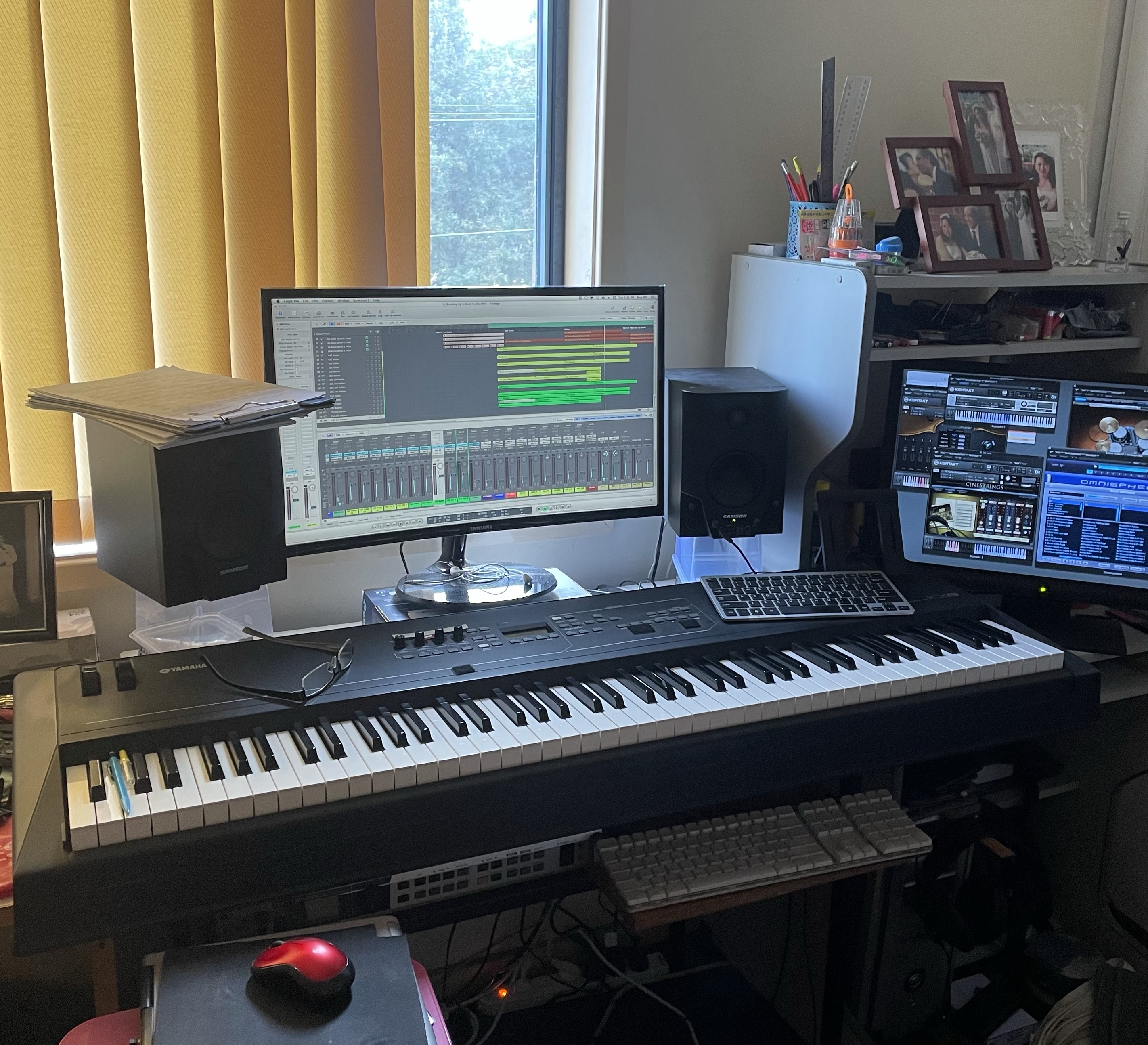
I have slim down my studio setup since coming to Australia but still refining it. It is a lot more organized than before as far as organizing files and my composing process. I am considering what will be practical to upgrading down the road. I guess it will be an ongoing thing depending on what projects I do.

On Chick Corea…

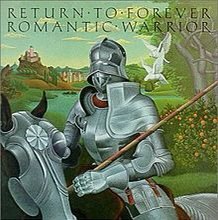
I remember hearing Return To Forever‘s “Romantic Warrior” album for the first time when I was 16 in 1976. That was my first introduction to these musicians; Chick Corea, Stanley Clarke, Al Dimeola, and Lenny White. Doors open for me musically listening to this album. It sparked a challenging soaring playful innovative free spirited musicality that can not be replace by anyone else other than these four musicians playing together. It reminds me that it does not matter what kind of music you do as long you stay true to the sincerity in the music, whether your by yourself or with other fellow musicians, the music will always be timeless and universal. These 4 musicians individually has had incredible careers. Chick Corea’s passing leaves a body of work that will forever inspire current and future generations of musicians. One of the most influential keyboardist sharing the possibilities of where the music can go without any kind of boundaries, always exploring and discovering how to communicate through his music to make it a better world we live in.

https://youtu.be/9n67Hjv1FQw

Year Of The 3 Dads

One of the projects that I am working on this year is my theme project. I wrote a theme called “Year Of The Three Dads”; a dedication to the 3 Dads I knew, Maximo Robia, Robert Sarno & Robert Rambo. In 2002, my Dad passed away in March, Robert Sarno in May, and Robert Rambo in June. Losing three Dads within a period of four months was emotionally draining for me that year.

The Theme Project album is most challenging for me due to all my themes will be more a hybrid/orchestral approach on them. Although the goal was to release Themes this year, it has taken a bit more time working on each theme. I am slowly chipping away at it.

My projects goals this year